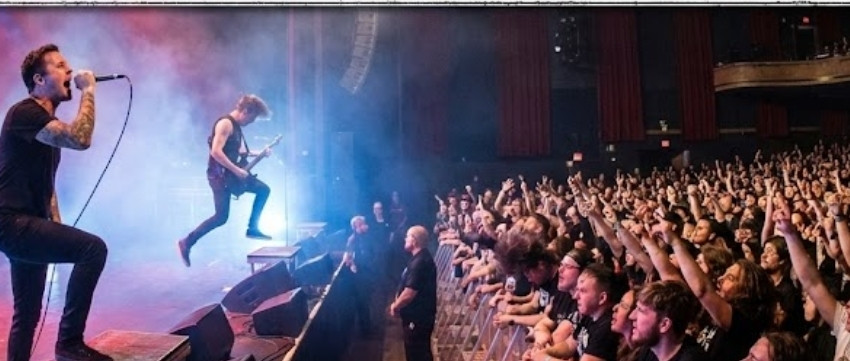
Alternative metal, a genre that emerged in the mid-1980s, represents a fusion of heavy metal with alternative rock and various non-metal influences such as funk, rap, industrial, and progressive rock. Known for its heavily downtuned, mid-paced guitar riffs and a mix of melodic and harsh vocal styles, alternative metal challenges mainstream metal conventions with its experimental sound. This genre peaked in the 1990s, largely due to the influence of bands like Tool and Faith No More, who pioneered the integration of non-traditional metal elements.
The history of alternative metal is rooted in the desire to break away from the traditional heavy metal sound. Bands like Faith No More and Red Hot Chili Peppers initially laid the groundwork by mixing metal with funk and rap elements. Insights from band interviews reveal how these early pioneers collaborated and experimented to create a new sound, which led to impressive album sales and a growing fanbase. The 1990s saw a surge in popularity with bands such as Tool, who brought a progressive edge to the genre, and Deftones, who incorporated a more atmospheric and experimental sound.
The evolution of alternative metal is marked by its adaptability. While the core sound remains rooted in syncopated rhythms and heavy riffs, the genre continues to evolve, incorporating elements from other subgenres like nu metal and post-hardcore. This constant evolution keeps alternative metal relevant, as bands like Northlane and Loathe continue to push the boundaries with progressive elements and a blend of metalcore and shoegaze influences.
Influential Bands and Musical Style
Influential bands in the alternative metal scene have played a crucial role in shaping the genre’s musical style. Band interviews often highlight how Tool is known for their complex compositions and progressive elements, while Faith No More’s eclectic approach combines heavy riffs with funk and rap influences. With the rise of music streaming, fans can easily explore Deftones’ significant impact through their atmospheric soundscapes and dynamic vocal styles.
The musical style of alternative metal is characterized by its experimental sound and willingness to incorporate diverse influences. This includes the use of unconventional instruments and techniques, such as jazz-inspired guitar solos and intricate drumming techniques. The genre’s versatility allows for a wide range of lyrical content, from introspective and philosophical themes to more aggressive and socially conscious topics.
Album Reviews and Discography
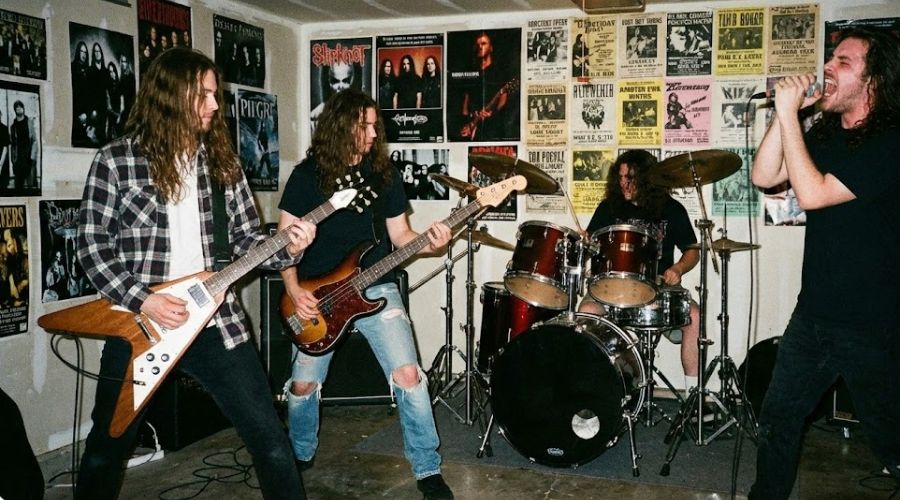
Tool’s 2019 album ‘Fear Inoculum’ is a prime example of alternative metal’s progressive elements. The album features intricate guitar solos, complex rhythms, and a blend of melodic and harsh vocal styles that showcase the band’s evolution over the years. Merch sales for this album were notably high, reflecting the dedicated fan base Tool has cultivated and contributing to significant album sales. Music streaming also contributed to the album’s reach, allowing new listeners to experience its depth and complexity.
Other notable bands in the genre, such as Godsmack and Mushroomhead, have also contributed to the rich discography of alternative metal. These bands have consistently delivered albums that explore a range of themes and musical styles, further solidifying the genre’s place in the music industry.
Band Members and Lineups
The band lineup of alternative metal acts often includes musicians with diverse backgrounds and influences. This diversity contributes to the genre’s unique sound and crossover appeal. For instance, Tool’s lineup features musicians with backgrounds in progressive rock and jazz, while Deftones incorporate elements of shoegaze and post-hardcore into their music.
The dynamic nature of band lineups in alternative metal allows for constant experimentation and innovation. This is evident in bands like Northlane and Loathe, who have embraced lineup changes as opportunities to explore new musical directions and expand their sound.
Collaborative Ventures in Alternative Metal
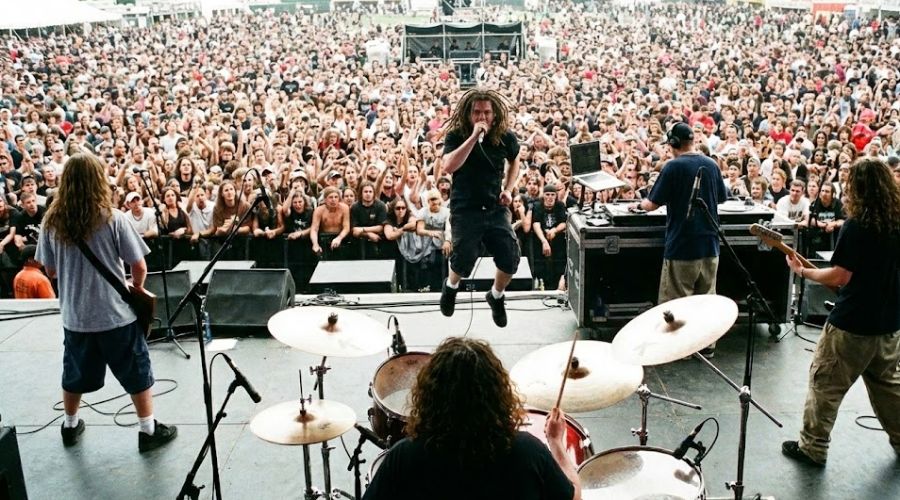
Collaborations in alternative metal have played a significant role in the genre’s evolution, showcasing its versatility and openness to experimentation. These ventures often bring together artists from different backgrounds, leading to innovative music that defies traditional boundaries.
Notable collaborations include projects between alternative metal bands and musicians from other genres, such as hip-hop and electronic music. These partnerships have resulted in unique soundscapes that enrich the musical tapestry of alternative metal.
Tool, for instance, has been known to collaborate with artists from diverse genres, creating tracks that blend alternative metal’s intensity with unexpected elements. Such collaborations not only expand the genre’s reach but also attract new audiences who might not typically listen to metal.
For fans, these collaborations offer a fresh listening experience and provide insight into the creative process of their favorite bands. Keeping an eye on band announcements and social media is a great way to stay informed about upcoming collaborative projects.
Live Performances and Fan Base
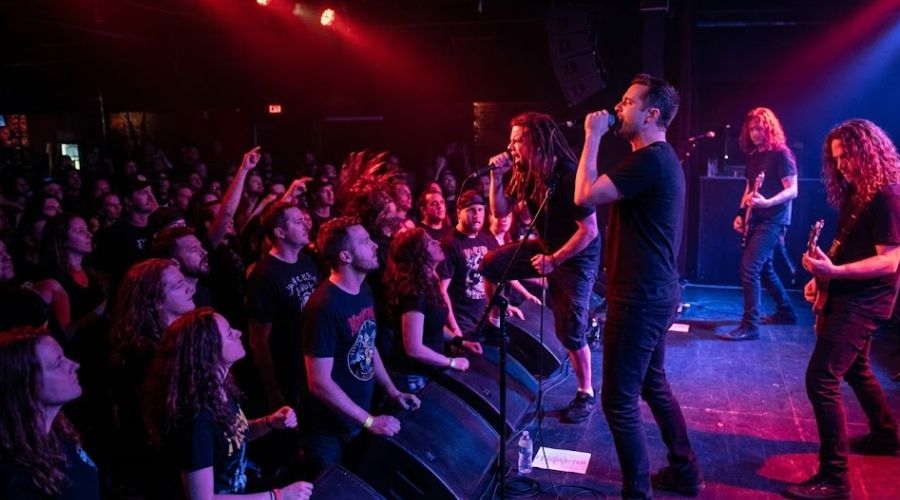
Live shows are a crucial aspect of the alternative metal experience. Bands in this genre are known for their energetic and immersive performances, which often feature elaborate stage setups and visual effects. Music festivals provide a platform for alternative metal bands to reach a wider audience and showcase their unique sound.
The fan community of alternative metal is diverse and passionate. Fans appreciate the genre’s willingness to challenge conventions and embrace experimentation. This fan base is actively engaged in fan interactions, both online and at live shows, creating a vibrant and supportive community.
Merchandise and Fan Engagement
Merchandise plays a crucial role in the alternative metal scene, serving as both a source of revenue for bands and a means for fans to express their loyalty. From T-shirts and hoodies to limited edition vinyl and posters, merch sales contribute significantly to a band’s financial success and are an integral part of the fan experience.
Bands often collaborate with designers to create unique and artistic pieces that reflect their music and image. This creative approach ensures that merchandise is not just promotional but also collectible, providing fans with meaningful mementos.
An example of innovative merchandise is Tool’s special edition CD packaging for ‘Fear Inoculum,’ which included a digital screen and exclusive video content. For fans looking to stay updated on new releases, following band websites and social media channels can provide early access to exclusive items. Limited editions often sell out quickly, emphasizing the importance of staying informed.
Upcoming Tour Dates of Alternative Metal Bands
Tour dates are eagerly awaited by fans of alternative metal, offering an opportunity to experience their favorite bands live. These tours often feature a mix of iconic venues and emerging markets, allowing bands to reach a diverse audience. Tour schedules are meticulously planned to maximize reach and impact, contributing to the genre’s global appeal and maintaining connections with a passionate fan base.
Bands like Deftones and System of a Down have announced extensive tours, showcasing their commitment to connecting with fans worldwide. These tours often sell out quickly, underscoring the genre’s strong fan base.
For fans looking to catch a show, it’s advisable to keep an eye on official band websites and social media channels for ticket releases and tour announcements. Early access and fan club presales can provide a better chance at securing tickets to these highly anticipated events.
Lyrical Themes and Content
Lyrical content in alternative metal often explores a wide range of themes, from personal introspection and existential questions to social and political issues. Bands like Tool and Deftones are known for their thought-provoking lyrics, which often delve into complex and abstract concepts.
The genre’s willingness to tackle diverse and challenging topics sets it apart from more mainstream metal subgenres. This depth of lyrical content resonates with fans who seek music that goes beyond surface-level themes and offers a more profound and meaningful experience.
The Impact of Alternative Metal on the Music Industry
Alternative metal’s influence on the music industry is significant. The genre’s crossover appeal has allowed it to reach a broad audience, including non-metalheads who appreciate its innovative sound. While the genre has faced challenges, such as genre ambiguity and oversaturation, it remains a vital part of the underground scene.
The recording process for alternative metal bands often involves a high level of experimentation and collaboration. This approach has led to the creation of groundbreaking albums that continue to inspire new generations of musicians and fans alike.
Recognition and Awards in Alternative Metal
Alternative metal bands have garnered significant recognition within the music industry, earning both critical acclaim and prestigious awards. While the genre may not always dominate the mainstream charts, its innovative contributions often lead to accolades from specialized music awards.
Tool, for instance, has received multiple Grammy Awards, highlighting their influence and creativity within the genre. Their track ‘7empest’ won the Grammy for Best Metal Performance in 2020, underscoring the band’s artistic impact.
Awards not only serve as a testament to a band’s achievement but also help broaden their audience. For emerging bands, recognition at music award shows can be a pivotal moment that boosts their visibility and credibility within the industry.
Fans seeking to celebrate these achievements can stay updated on award announcements and ceremonies through music industry news platforms and band social media channels. Keeping track of such accolades can enhance the fan experience and appreciation for the band’s journey.
While alternative metal may not always achieve mainstream chart performance, its impact on the music industry is undeniable. Bands like Tool and Deftones have received critical acclaim for their innovative sound and have garnered a dedicated fan base. The genre’s influence can be seen in the success of related subgenres like nu metal, which achieved significant commercial success in the late 1990s.
FAQ Section
- What defines alternative metal? Heavily downtuned riffs, mixed vocals, and unconventional non-metal sounds like funk and rap influences.
- Key bands? Pioneers include Faith No More and Tool; modern acts include Godsmack, Mushroomhead, and Northlane.
- How has alternative metal evolved? The genre continues to incorporate elements from nu metal, post-hardcore, and progressive rock, maintaining its relevance in the music industry.
- What are common lyrical themes? Alternative metal explores themes ranging from personal introspection to social and political issues.
- How does the fan community engage with the genre? Fans are actively involved in fan interactions, both online and at live shows, creating a vibrant and supportive community.
Final Thoughts
Alternative metal remains a dynamic and evolving genre, characterized by its willingness to challenge conventions and embrace experimentation. With a rich history and a diverse range of influences, alternative metal continues to captivate fans and inspire new generations of musicians. As the genre evolves, it will undoubtedly continue to play a significant role in the music industry, pushing boundaries and redefining what it means to be a metal band.
Related Articles
- [History of Metal Music]: Explore the origins and evolution of metal music, from its early days to the present.
- [Top Metal Albums of the 2000s]: A curated list of the most influential metal albums from the 2000s, highlighting key releases and their impact.
- [Influential Metal Bands]: Discover the bands that have shaped the metal genre and left a lasting legacy.
- [Understanding Metal Subgenres]: A comprehensive guide to the various subgenres of metal, including their defining characteristics and key bands.
- [Guide to Metal Music Festivals]: Learn about the top metal music festivals worldwide and what makes them unique.
- [Interviews with Metal Artists]: Gain insights from interviews with prominent metal artists, exploring their creative processes and influences.