
Quick Answer
Vessel's real name is Leo George Faulkner - a British musician born on 22 desember 1993 in Bristol, England.
Confirmed by ASCAP songwriter credits listing Leo George Faulkner on Sleep Token's catalogue. He studied at BIMM Bristol and previously performed as part of Blacklit Canopy before founding Sleep Token in 2016.
The Man Behind the Mask
There is a particular kind of fame that arrives not through self-promotion but through deliberate erasure. In an era where musicians build personal brands across every conceivable platform, one vocalist chose the opposite path - a balaclava, a mythology built around a fictional sleep deity called “Sleep,” and a strict refusal to acknowledge his own identity. The gamble paid off spectacularly. Sleep Token became one of the most important bands in modern heavy music, and the person widely believed to be its architect - Leo George Faulkner - became one of the most discussed, debated, and dissected figures in the genre.
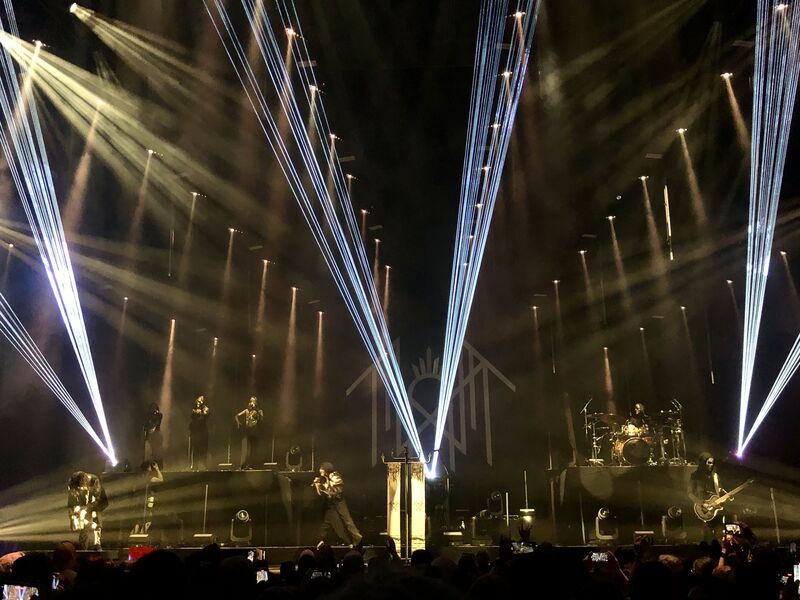
Born on desember 22, 1993, in the United Kingdom, Faulkner’s path from his early musical training to sold-out arenas is a story about artistic conviction. It is a story about what happens when someone chooses to let the music speak entirely for itself, even as the internet works overtime to pull back the curtain. For fans who arrived through the haunting balladry of “The Offering” or the crushing weight of “The Summoning,” the question of who is actually singing has always been secondary to how the singing makes them feel. But for those who want to understand the full picture - the training, the earlier projects, the creative philosophy - there is a genuinely fascinating story to tell.
This is the most comprehensive account available of the person behind Vessel: where he came from, how he developed his craft, and why his approach to artistry has resonated with millions.
Early Life and Education
Leo George Faulkner grew up in a musical environment that nurtured his talents from a young age, mastering piano, vocals, and songwriting. He displayed a natural inclination towards music, participating in local bands, solo projects, and even auditioning for online collaborations like the 2012 Cobus Potgieter YouTube Band Project on keyboards.
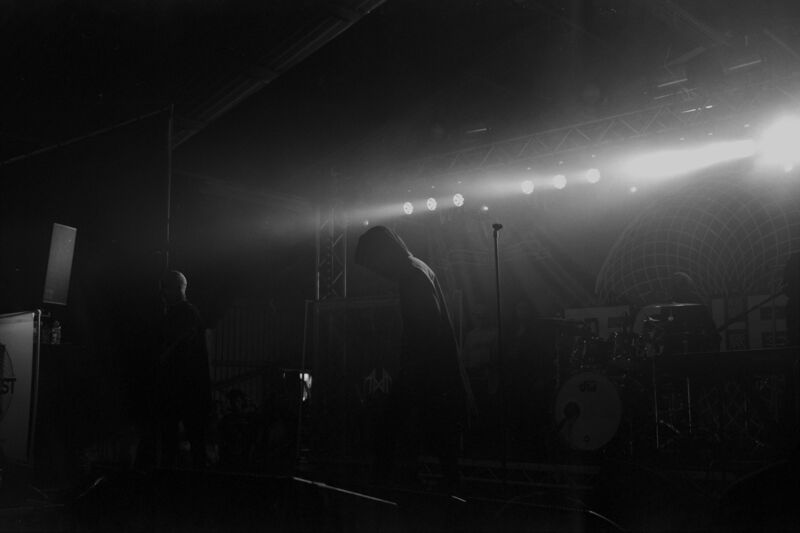
He enrolled at the Bristol Institute of Modern Music, commonly known as BIMM. The institution - one of the UK’s leading contemporary music colleges - has produced alumni across a wide spectrum of genres, from pop and rock to electronic music and beyond. BIMM’s programmes emphasise practical musicianship, performance, and songwriting alongside music business and production skills. For a young musician with serious ambitions, it represented both a creative incubator and a proving ground.
Studying at the college would have immersed Faulkner in an environment where genre boundaries were treated as suggestions rather than rules. The college’s ethos encourages cross-pollination - a guitarist might find themselves collaborating with an electronic producer, a vocalist might explore jazz phrasing alongside metal screaming techniques. This interdisciplinary spirit is audible in everything Sleep Token would eventually become. The band’s ability to pivot from R&B-inflected clean vocals to progressive metal complexity within a single track does not happen by accident. It happens because the person writing the music was trained to think beyond categories, with early interests in acoustic, progressive metal, electronic, and classical music.
Finding His Voice: Early Musical Projects
Before Sleep Token existed, Faulkner was already exploring the boundaries of what his voice and musical vision could achieve through projects like a keyboard audition video, a solo endeavour under the YouTube handle Monkeyl0rd22, and an ambient collaboration called Blacklit Canopy.
Monkeyl0rd22
Under the online alias Monkeyl0rd22, Faulkner shared early music on YouTube, including atmospheric and experimental tracks. This solo outlet offered the earliest publicly available window into his artistic sensibilities - material that, in retrospect, reads as a clear precursor to Sleep Token’s more vulnerable moments. No commercial release like a “Dusk/Dawn CD” ever existed; claims of such are hoaxes.
For fans tracing the creative lineage, these YouTube tracks are essential listening. They reveal the foundation upon which everything else was built: a songwriter drawn to melancholy, unafraid of sincerity, and already in possession of a voice that could shift from whispered intimacy to soaring power.
(For a deeper exploration of this project, see our dedicated page on Monkeyl0rd22.)
Blacklit Canopy
Blacklit Canopy was a different proposition entirely. A collaboration with musician Gemma Matthews, the project occupied ambient and atmospheric territory - more texture than structure, more mood than melody. It released an EP in 2014, available on Bandcamp, with a performance video from Sofar Winchester on februar 4, 2014, and a new single in desember 2024 on YouTube. A snippet of their song “Don’t Let The World Swallow You” appears in Sleep Token’s “Damocles” (guitar bit at 1:21). Faulkner also composed an ambient soundtrack for the short film The Kiss.
This collaborative experience matters in understanding Faulkner’s development. Working within an ambient framework requires a fundamentally different set of instincts than writing verse-chorus-verse songs. It demands patience, an ear for sonic detail, and a willingness to serve the overall atmosphere rather than foreground any single element. These are precisely the qualities that would make Sleep Token’s production so distinctive. Tracks like “Atlantic” and “Telomeres” on Sundowning carry the DNA of someone who spent time in ambient spaces, who understands how restraint can amplify emotional impact.
(For a deeper exploration of this collaboration, see our dedicated page on the duo.)
Together, these projects represent a formative period - a musician testing different creative modes, building a toolkit that no single genre could contain. When Sleep Token emerged, it did not arrive from nowhere. It arrived from someone who had already spent years figuring out what he wanted to say and how he wanted to say it.
The Birth of Sleep Token
In 2016, something shifted. The solo experiments and ambient collaborations gave way to a project that was at once more ambitious and more mysterious than anything that had come before. Sleep Token appeared with little fanfare and no explanation - just music, a striking visual identity, and a mythology centred on worship of a deity called “Sleep.”
The concept was arresting in its totality. This was not a band that happened to wear masks for aesthetic effect. The anonymity was structural, baked into every layer of the project. The vocalist was known only as Vessel. The other musicians were identified by roman numerals. Interviews, when they happened at all, stayed firmly in character. The real names, the personal histories, the faces behind the balaclavas - none of it was officially part of the narrative.
The first material arrived as the One EP in 2016, followed by the Two EP in 2017. Even in these early releases, the scope of the project was evident. Here was music that refused to settle into a single genre lane, drawing from alternative metal, progressive metal, post-rock, indie rock, pop, R&B, and electronic textures with a fluency that suggested deep listening across all of them. The production was polished, the songwriting sophisticated, and the vocals - ranging from featherlight falsetto to guttural screams - were immediately captivating.
What made Sleep Token compelling from the outset was the tension between concealment and emotional exposure. The lyrics were bracingly intimate, dealing in heartbreak, longing, devotion, and existential dread with a directness that most masked artists never attempt. The anonymity did not create distance; paradoxically, it eliminated it. Without a public persona to project onto, listeners were left with nothing but the music and their own emotional response. For many, that proved to be more powerful than any celebrity narrative could provide.
The project’s early growth was organic and largely internet-driven. Word spread through music forums, social media, and the kind of passionate fan-to-fan evangelism that cannot be manufactured. By the time Sleep Token signed to Spinefarm Records (a Universal Music imprint with a strong track record in metal and rock), the groundwork had already been laid by a community of listeners who felt they had discovered something genuinely special.
Musical Talent and Artistic Range
Discussing the musicianship on display requires setting aside the mystique and focusing purely on craft - and the craft is exceptional.
Vocal Range and Technique
The voice at the centre of Sleep Token is, by any measure, remarkable. Faulkner possesses a range that spans from delicate, breathy passages - the kind of singing that belongs on an R&B record - to full-throated metal screams that can anchor the heaviest breakdowns in the band’s catalogue. More impressive than the range itself is the control and emotional intelligence behind it. This is not a vocalist who screams to prove he can scream or sings softly to prove versatility. Every vocal choice serves the song’s emotional trajectory.
Lytt til "The Offering" og du hører en stemme som starter på et sted av øm, nesten skjør hengivenhet før den bygger seg opp til et katartisk klimaks. Lytt til "The Summoning" og du hører den samme stemmen navigere en vidstrakt syvminutters reise gjennom hviskede vers, svevende refreng og knusende tyngde – alt med den typen sømløse overganger som får sjangerskiftene til å føles uunngåelige snarere enn tvungne. På "Chokehold" kanaliserer vokalprestasjonen ren pop-R&B-energi med en overbevisning som ville imponere i enhver sjangersammenheng. På "Vore" ankommer skriket med en voldsomhet som vinner Sleep Tokens metalltroverdighet utover enhver tvil.
Dette er ikke allsidighet for allsidigheten skyld. Det er allsidighet i tjeneste for historiefortelling, og distinksjonen betyr enormt.
Piano og gitar
Utover vokal er Faulkner dyktig på både piano og gitar – en multi-instrumental evne som informerer bandets låtskriving på grunnleggende måter. En låtskriver som kan komponere ved pianoet nærmer seg melodi og harmoni annerledes enn en som arbeider utelukkende på gitar. Pianodrevet komposisjon har en tendens til å åpne opp harmoniske muligheter og oppmuntre til akkordvoicinger og progresjoner som gitarfokuserte skrivere kanskje aldri finner. Dette forklarer sannsynligvis noen av Sleep Tokens mest særegne øyeblikk: de jazzpregede akkordskiftene, de uventede harmoniske svingene, passasjene som føles nærmere art-pop enn metal.
Gitararbeidet hans gir den teksturelle og rytmiske grunnmuren for mye av bandets tyngre materiale. Samspillet mellom disse instrumentene – å vite når en sang trenger varmen fra et piano og når den trenger tyngden av en forvrengt gitar – er en kjernedel av det som gjør låtskrivingen så dynamisk.
Låtskriving
ASCAP-låtskriverrettigheter kobler formelt navnet Leo George Faulkner til Sleep Tokens katalog og gir en av de klareste offentlige forbindelsene mellom personen og prosjektet. Disse rettighetene bekrefter det musikken selv antyder: at den kreative visjonen som driver Sleep Token i det vesentlige er arbeidet til én enkelt, dypt involvert låtskriver.
Låtskrivingen kjennetegnes av flere særegne kvaliteter. Det er en gave for melodi som transcenderer sjanger – hooks som setter seg i hjernen uavhengig av om de ankommer over blastbeats eller minimalistisk piano. Det er en strukturell ambisjon som lar sanger utfolde seg over utvidede spilletider uten å miste momentum. Og det er en lyrisk stemme som klarer å være på samme tid personlig og mytologisk, og forankrer universelle følelser i det spesifikke språket til Sleep Tokens fiktive dyrkelse.
Opplev vokalomfanget og det sjangertrossende kunstnerskapet som gjorde Vessel til et kjent navn – "The Summoning":
Diskografi og karrieremilepæler
Sleep Tokens innspilte produksjon forteller historien om et prosjekt i konstant utvikling – hver utgivelse utvider det soniske og emosjonelle territoriet, og hver enkelt når et større publikum enn den forrige.
De tidlige EP-ene: One (2016) og Two (2017)
De One og Two EP-ene fungerte som Sleep Tokens introduksjon til verden. Utgitt uavhengig før bandet sikret seg en platekontrakt, etablerte disse samlingene prosjektets kjerneidentitet: sjangerflyende låtskriving innpakket i slående visuell presentasjon og forankret av en ekstraordinær vokalprestasjonen. Spor fra disse EP-ene – særlig tidlige versjoner av sanger som senere ville dukke opp på Sundowning – demonstrerte at Sleep Token kom med en bemerkelsesverdig klar kreativ visjon. Det var ingen vanskelig periode med å finne en lyd. Fra den første noten visste prosjektet hva det var.
Sundowning (2019)
Debutalbumet var øyeblikket da Sleep Token gikk fra underground-kuriositet til kritikerdarling. Utgitt gjennom Spinefarm Records, Sundowning er en vidstrakt, emosjonelt overveldende plate som beveger seg fra eteriske ambientpassasjer til knusende metal med en flyt som tok den bredere musikkpressen på sengen. Spor som "The Offering", "The Night Does Not Belong to God" og "Calcutta" viste frem den fulle bredden av prosjektets ambisjoner.
Sundowning fikk utbredt kritikerros og introduserte Sleep Token for publikum langt utover metalfellesskapet. Albumets vilje til å omfavne ekte skjønnhet – ikke som kontrast til tyngde men som en jevnbyrdig partner – skilte det fra så å si alt annet i det tunge musikklandskapet. Det var et album som kunne få deg til å gråte og headbange, noen ganger innenfor den samme sangen.
This Place Will Become Your Tomb (2021)
Det andre albumet dykket dypere inn i atmosfærisk og elektronisk territorium og utvidet bandets soniske palett, samtidig som den emosjonelle intensiteten som definerte debuten ble opprettholdt. This Place Will Become Your Tomb var en mer tålmodig, mer lagdelt plate – en som belønnet nøye lytting og gjentatte avspillinger. Spor som "Atlantic" og "Telomeres" demonstrerte en vilje til å bremse ned, la sanger puste, stole på at publikum ville følge med inn i roligere, mer introspektive rom.
Albumet konsoliderte Sleep Tokens posisjon som en av de viktigste aktene i moderne tung musikk. Strømmetallene vokste betydelig, livepublikummet utvidet seg, og kritikerkonsensuset ble befestet: dette var et prosjekt som opererte på et nivå som de fleste band i enhver sjanger aldri når.
Take Me Back to Eden (2023)
Hvis de to første albumene etablerte Sleep Tokens troverdighet, Take Me Back to Eden var platen som gjorde dem til et fenomen. Utgitt i 2023 oppnådde albumet kommersiell og kulturell gjennomslagskraft som ville ha virket umulig for et maskert progressivt metalband bare noen år tidligere.
"The Summoning" ble en ekte strømmekoloss og samlet hundrevis av millioner avspillinger på tvers av plattformer. "Chokehold" krysset over i pop- og R&B-spillelister. "Vore" tilfredsstilte publikumets appetitt på ren tyngde. Albumets rekkevidde strakk seg langt utover metalfellesskap og introduserte Sleep Token for pop-, hip-hop- og indielyttere som kanskje aldri hadde engasjert seg med et band fra den tunge musikkverden.
Den kommersielle suksessen ble matchet av kritikerros og bransjeanerkjennelse. Sleep Token mottok Grammy -nominasjoner for beste metalprestasjonen og beste rocksang – en sjelden anerkjennelse fra Recording Academy som plasserte bandet ved siden av sjangerens mest etablerte navn. Sleep Token vant også Best UK Artist på Heavy Music Awards 2023. Disse nominasjonene var ikke symbolske gester; de reflekterte en genuin konsensus om at Sleep Token produserte noe av den mest vitale musikken i samtidens rock og metal.
Take Me Back to Eden markerte også en betydelig milepæl i Sleep Tokens livekarriere. Bandet rykket opp til arenaformat og solgte ut show over hele Storbritannia, Europa og Nord-Amerika. Liveopptredenene – visuelt slående, emosjonelt intense og sonisk kraftfulle – beviste at bandets studioambisjoner oversatte seg overbevisende til scenen.
Even in Arcadia (2025)
Det fjerde fullengdealbumet ankom i 2025 og fortsatte Sleep Tokens bane av kreativ utvidelse og kommersiell vekst. Even in Arcadia – tittelen er en referanse til den latinske frasen Et in Arcadia ego, en meditasjon over dødelighetens tilstedeværelse selv i paradis – signaliserte et prosjekt som fortsatt dyttet inn i nytt territorium, fortsatt uvillig til å gjenta seg selv eller hvile på etablerte formler.
Med hver utgivelse har diskografien kartlagt en klar bue: fra lovende underground-debut til ett av de definerende musikalske prosjektene fra 2020-tallet. Den buen reflekterer ikke bare voksende ambisjon, men voksende selvtillit – selvtilliten til en låtskriver som vet at publikumet hans vil følge uansett hvor musikken leder.
Lytt til Take Me Back to Eden
Anonymitetens filosofi
Den maskerte personaen er ikke et triks. Å forstå dette er essensielt for å forstå alt Sleep Token har oppnådd.
I en bransje som i stadig større grad behandler musikere som innholdsskapere – personligheter først, artister dernest – var avgjørelsen om å fjerne personligheten fra ligningen helt og holdent radikal. Vessel bærer en balaklava. Han gjør ikke intervjuer uten maske. Han legger ikke ut personlig innhold på sosiale medier. Han har konstruert, med bemerkelsesverdig disiplin, et kreativt prosjekt der kunsten er det eneste kontaktpunktet mellom artist og publikum.
Denne tilnærmingen har presedens, selvfølgelig. Daft Punks hjelmer, Slipknots masker, MF DOOMs metallansikt – populærmusikkens historie er strødd med artister som forstod at tilsløring kunne være sin egen form for uttrykk. Men Sleep Tokens anonymitet opererer annerledes enn de fleste av disse eksemplene. Det er ikke teatralsk kostyming eller merkeidentitet. Det er en filosofisk posisjon om forholdet mellom artist og lytter.
Ved å fjerne artistens ansikt, biografi og personlig narrativ fra ligningen tvinger Sleep Token frem en annen type engasjement. Det er ingen parasosial relasjon å utvikle med en person som ikke offentlig eksisterer som person. Det er ingen kjendissladder, ingen paparazzifotos, ingen Twitter-kontroverser. Det er bare musikken og mytologien. For lyttere skaper dette et rom med uvanlig intimitet. Sangene blir speil snarere enn vinduer – lyttere projiserer sine egne erfaringer på musikken snarere enn å tolke den gjennom linsen til artistens kjente biografi.
Ironien er selvfølgelig at anonymiteten har generert mer nysgjerrighet om personen bak masken enn en konvensjonell offentlig tilstedeværelse noen gang ville gjøre. Internettets anstrengelser for å identifisere Vessel – detektivarbeidet, ASCAP-rettighetene, sammenligningene med tidligere prosjekter som Blacklit Canopy og Monkeyl0rd22 – har blitt sin egen subkultur. Faulkners navn sirkulerer vidt i fanfellesskap, og forbindelsen mellom personen og prosjektet er, på dette tidspunktet, en åpen hemmelighet snarere enn et genuint mysterium.
Men vedvarenheten av den maskerte personaen selv etter den utbredte identifiseringen sier noe viktig om prosjektets verdier. Anonymiteten handlet aldri primært om å holde en hemmelighet. Det handlet om å etablere et rammeverk der musikken kunne eksistere på egne premisser. Selv nå, når de fleste engasjerte fans vet eller tror de vet hvem Vessel er, fortsetter masken å tjene sin funksjon. Den signaliserer at Sleep Token ikke handler om kjendiseri. Det handler om hengivenhet – til håndverket, til den emosjonelle sannheten i sangene og til den fiktive mytologien som gir prosjektet sin unike karakter.
Dette er en kreativ filosofi med reelle konsekvenser for hvordan musikken mottas. Sleep Tokens sanger diskuteres i termer av emosjonell innvirkning, sonisk innovasjon og kunstnerisk ambisjon – ikke i termer av frontmannens datingliv eller sosiale medier-tilstedeværelse. I 2025 er det en genuint sjelden prestasjon.
Innvirkning på moderne musikk
Sleep Token lyktes ikke bare innenfor det eksisterende landskapet av tung musikk. De endret selve landskapet.
Å omdefinere sjangergrenser
Før Sleep Token var ideen om at et metalband kunne inkorporere R&B-vokaler, trip-hop-atmosfærer og poplåtskriving uten å bli avvist som en nyhet, i beste fall vanskelig å selge. Sjangerpurister på alle sider ville ha protestert. Metalfans ville ha stilt spørsmål ved autentisiteten. Pop- og R&B-lyttere ville aldri ha møtt musikken i utgangspunktet. Sleep Token fikk kryssovergangen til å fungere – ikke ved å kompromisse i noen retning, men ved å utføre hvert sjangerelement på et så høyt nivå at avvisning ble umulig.
Bandets suksess ga tillatelse til en generasjon artister innen tung musikk til å utvide sitt soniske vokabular uten frykt. I årene etter Take Me Back to Edens gjennombrudd skjedde det et synlig skifte i det bredere metal- og rocklandskapet. Band ble mer villige til å inkorporere renvokaler, elektronisk produksjon, popstrukturer og R&B-innflytelser. Sleep Token oppfant ikke sjangerblandingen i metal – akter som Deftones, Leprous og Tesseract hadde utforsket lignende territorium – men de beviste at det kunne være kommersielt massivt i strømmealderen.
Strømmeeraens første metalfenomen
Sleep Tokens oppgang sammenfalt med, og ble muliggjort av, strømmeøkonomiens transformasjon av hvordan musikk oppdages og konsumeres. Bandets sanger blomstret på algoritmedrevne spillelister nettopp fordi de trosset enkel kategorisering. Et spor som "The Summoning" kunne dukke opp på en metallspilleliste, en singer-songwriter-spilleliste og en ambient studiespilleliste uten å virke malplassert på noen av dem. Denne krysspollineringen drev bandets strømmetall til nivåer som få metalakter tidligere hadde oppnådd.
Enda viktigere demonstrerte Sleep Token at tung musikk kunne konkurrere i strømmelandskapet på egne premisser. Bandet oppnådde ikke strømmesuksess ved å myke opp lyden eller jage trender. Det oppnådde det ved å lage musikk som var så overbevisende at lyttere fra utenfor metalverdenen ble trukket inn. Dette var et konseptbevis som det bredere tungt musikk-fellesskapet desperat trengte.
Kulturell resonans
Utover musikken selv traff Sleep Token noe i det kulturelle øyeblikket som viste seg å være dypt resonant. Temaene om tilbedelse, hengivenhet og overgivelse – filtrert gjennom bandets fiktive mytologi – talte til publikum som navigerte en tid med utbredt desillusjonering, bevissthet om psykisk helse og søken etter mening. Bandets emosjonelle direkthet, kombinert med tryggheten i det mytologiske rammeverket, skapte et rom der lyttere kunne engasjere seg med intense følelser uten sårbarheten i bekjennelsesmusikk.
Den visuelle identiteten – maskene, den ritualistiske scenepresentasjonen, den nøye kuraterte estetikken – ga fans en følelse av deltakelse i noe større enn et typisk band-publikum-forhold. Sleep Token-konserter føltes mindre som konserter og mer som kollektive opplevelser, en kvalitet som fostret et av de mest lidenskapelige og dedikerte fanbasene i moderne musikk.
Innflytelse på artistpresentasjon
Suksessen til Sleep Tokens anonyme tilnærming påvirket også hvordan andre artister tenkte om presentasjon og persona. Selv om maskerte og anonyme akter ikke var nye, inspirerte Sleep Tokens demonstrasjon av at fullstendig anonymitet kunne sameksistere med kommersiell mainstream-suksess til en bredere samtale om rollen til personlig merkevarebygging i musikk. I en bransje som i stadig større grad krever konstant personlig innhold fra artister, tilbød Sleep Token en motmodell: bevis på at musikken alene kunne være nok.
Leter du etter det spesifikke beviset som kobler Leo Faulkner til Vessel? Se vår dedikerte analyse: Er Leo Faulkner Vessel? Beviset forklart.
Leo Faulkner – ofte stilte spørsmål
Er Leo Faulkner virkelig Vessel fra Sleep Token?
Selv om Sleep Token aldri offisielt har bekreftet identiteten til noe medlem, peker betydelig bevis mot Leo George Faulkner som personen bak Vessel-personaen. Han er listet i ASCAP for Sleep Token, og et utdrag av hans tidligere Blacklit Canopy-sang "Don't Let The World Swallow You" dukker opp i "Damocles". Vokalsammenligninger mellom Sleep Token-innspillinger og Faulkners tidligere prosjekter (Monkeyl0rd22 og Blacklit Canopy) er konsistente, inkludert opptredselsvideo som viser ansiktet hans. Innenfor fanfellesskapet og musikpressen er forbindelsen vidt akseptert, selv om den er ubekreftet av bandet.
Hvor er Leo Faulkner fra?
Faulkner ble født i 1993 i Storbritannia. Han studerte ved Bristol Institute of Modern Music, en av Storbritannias ledende samtidsmusikkhøyskoler. Regionens rike musikalske arv – særlig dens historie med atmosfærisk, sjangertrossende musikk – nevnes ofte som en sannsynlig innflytelse på hans kunstneriske utvikling.
Hvilke instrumenter spiller Sleep Token-vokalisten?
Utover hans brede vokalevner – som spenner fra myk, R&B-inspirert renvokaler til kraftfulle metalskrik – er Faulkner dyktig på både piano og gitar. Dette multi-instrumentale ferdighetssett gjenspeiles i Sleep Tokens låtskriving, som trekker på harmoniske og melodiske tilnærminger assosiert med keyboardbasert komposisjon ved siden av de tyngre, riff-drevne elementene i gitarbasert musikk.
Hvorfor bærer Vessel en maske?
Den maskerte anonymiteten er et bevisst kunstnerisk valg sentralt i Sleep Tokens identitet og filosofi. Ved å fjerne personlig identitet fra prosjektet skifter bandet all oppmerksomhet til musikken, tekstene og mytologien. Denne tilnærmingen skaper en unik lytteopplevelse der publikum engasjerer seg med det emosjonelle innholdet i sangene uten filteret av kjendis eller personlig narrativ. Anonymiteten har blitt opprettholdt konsekvent siden prosjektets oppstart i 2016, selv etter at vokalistens sannsynlige identitet har blitt vidt kjent.
Har Sleep Token blitt nominert til Grammy?
Ja. Sleep Token mottok Grammy-nominasjoner for beste metalprestasjonen og beste rocksang, og anerkjente bandets arbeid fra Take Me Back to Eden. Disse nominasjonene plasserte Sleep Token ved siden av etablerte tungvektere i sjangeren og reflekterte bandets vellykkede kryssover fra underground metal til mainstream kritikeranerkjennelse. Bandet vant også Best UK Artist på Heavy Music Awards 2023.
Hva var Leo Faulkners første band?
Før Sleep Token var Faulkner involvert i prosjekter inkludert en 2012 keyboardaudisjonsvideo for Cobus Potgieter og minst to kjente musikalske foretak. Monkeyl0rd22 var et solo YouTube-prosjekt med atmosfærisk, emosjonelt direkte låtskriving. Blacklit Canopy var et ambientsamarbeid med musikeren Gemma Matthews, og ga ut en EP i 2014 og en singel i desember 2024. Begge prosjektene regnes som formative skritt i den kunstneriske utviklingen som til slutt ville lede til Sleep Token.
Hvor mange album har Sleep Token gitt ut?
Sleep Tokens diskografi inkluderer to tidlige EP-er – One (2016) og Two (2017) – etterfulgt av fire fullengde studioalbum: Sundowning (2019), This Place Will Become Your Tomb (2021), Take Me Back to Eden (2023) og Even in Arcadia (2025). Hver utgivelse har utvidet bandets soniske palett og publikumsrekkevidde, med Take Me Back to Eden som det kommersielle og kritiske gjennombruddet.
Ikke skuespilleren
En vanlig kilde til forvirring i søkeresultater: Leo Faulkner som diskuteres på dette nettstedet er ikke en skuespiller. Det finnes ingen IMDB-side, ingen filmografi og ingen forbindelse til film eller fjernsyn. Søk etter "Leo Faulkner skuespiller" eller "Leo Faulkner filmer" ser ut til å stamme fra navneforvirring med andre individer eller fra den generiske antagelsen om at alle med en offentlig profil kan ha skuespillerkreditter.
Leo George Faulkner er en musiker og låtskriver. Hans kreative produksjon er utelukkende innenfor musikk – fra ambientduoen til Sleep Token. Hvis du leter etter en skuespiller med et lignende navn, er det en helt annen person.
Denne siden oppdateres jevnlig etter hvert som ny informasjon blir tilgjengelig. Sist oppdatert: mai 2026.
Leo Faulkners historie utforskes også på tvers av våre dedikerte sider om hans tidlige musikalske prosjekter, det prosjektet, og Sleep Tokens komplette diskografi. For en omfattende referanse, se Leo George Faulkner-leksikonoppføringen.