Sleep Token is one of the most discussed bands in modern heavy music, and not just for their sound. Their masked identity, ritual-like performances, and lyrics filled with biblical, occult, and devotional imagery have led many listeners to ask two big questions: is Sleep Token satanic, and is Sleep Token Christian?
The short answer is: probably neither in a literal, doctrinal sense. Sleep Token appears to use religion as art, symbolism, and world-building, centered around the fictional deity Sleep. Their music borrows heavily from spiritual language, but that does not automatically make the band a satanic project or a Christian one.
Why some listeners think Sleep Token is satanic
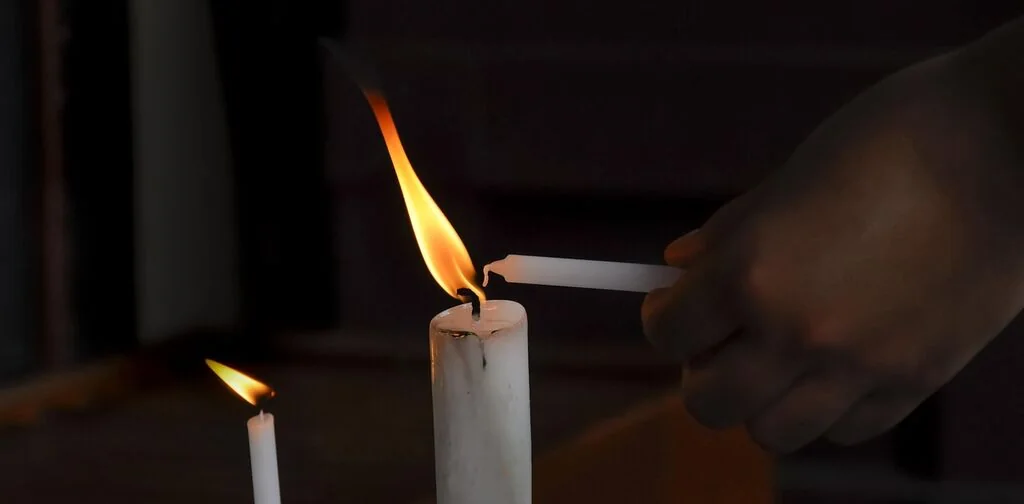
Sleep Token’s imagery can look satanic at first glance. The band uses robes, masks, candles, sacrificial language, and references to worship. That aesthetic, combined with references to ancient gods, Eden, angels, and sin, easily triggers assumptions of occult or anti-Christian meaning.
Some listeners interpret the band’s darker visual style and ritual framing as evidence of devil worship. Others point to the broader metal tradition of using occult symbols to provoke, unsettle, or create atmosphere.
Why that reading doesn't hold up
There is little public evidence that Sleep Token is engaged in actual satanic worship. Their use of religious imagery seems more symbolic than devotional. The band has consistently presented itself as an artistic project built around a mythology, not as a real-world religious order.
In other words, Sleep Token may draw from satanic, pagan, and biblical aesthetics, but that does not mean the band itself is satanic in practice or belief. Much of the “satanic” reading comes from visual association rather than clear statements from the band.

Is Sleep Token Christian?
Biblical and spiritual themes in the music
Sleep Token’s lyrics often include references that sound biblical or spiritually loaded: Eden, worship, sin, sacrifice, divinity, judgment, grace, and transcendence. That has led some fans and commentators to argue that there are hidden Christian messages in the music.
At times, the language can sound like a struggle with faith, fallenness, longing, or redemption. Those are undeniably themes with Christian resonance. The song titles and lyrics can feel familiar to listeners who know biblical imagery well.
Why Sleep Token is not usually considered a Christian band
Despite those references, Sleep Token has not positioned itself as a Christian band. The group has not publicly claimed a Christian identity, nor has it framed its music as worship music or ministry.
Instead, the religious language seems to function as a symbolic vocabulary for emotional intensity, desire, devotion, obsession, loss, and inner conflict. In this sense, the band uses Christian imagery the same way many artists use mythological or literary imagery: as a powerful set of symbols, not as a statement of doctrine.
Who or What Is “Sleep”?
The deity at the center of the lore
Sleep Token’s core mythology revolves around Sleep, the deity the band serves in its fictional framework. This figure appears to be less a traditional god from an established religion and more an invented or reimagined spiritual entity used to structure the band’s narrative universe.
Within that lore, “worship” becomes part of the performance. Each song can be understood as an offering, and Vessel is portrayed as the band’s central devotee or messenger. This gives the project a religious feel without necessarily making it a real religion.
A metaphorical or artistic construct
Many observers interpret Sleep as a metaphor for inner shadows, longing, emotional dependence, or the darker parts of the psyche. In that reading, “worship” symbolizes surrender, attachment, and the danger of giving too much of yourself to something or someone.
That helps explain why Sleep Token’s music can feel deeply spiritual without fitting neatly into any actual faith tradition.
What Has Sleep Token Said About the Religious Aspect?
The band keeps the meaning ambiguous
Sleep Token has been intentionally secretive. That ambiguity is part of the appeal. Rather than spelling everything out, the band leaves room for interpretation, allowing fans to debate whether the imagery is occult, symbolic, personal, or religious.
Reported commentary and interviews have suggested that “worship” in Sleep Token’s world is tied to emotion, devotion, and art more than literal theology. That makes the band’s use of religious language feel deliberate, but not necessarily confessional.
Why ambiguity matters
By keeping the lore open-ended, Sleep Token can operate on multiple levels at once:
- As a metal band with a strong aesthetic.
- As a narrative project with a fictional deity.
- As a work of emotional symbolism.
That is why one listener may hear hidden Christianity, while another hears occultism, and another simply hears a band making emotionally powerful music.
Frequently Asked Questions
Is Sleep Token satanic?
No. Sleep Token are not a satanic band. Their worship concept centres on a fictional deity called Sleep, not Satan or any figure from Satanic theology. The religious imagery is a conceptual framework for the music, not a genuine belief system.
Is Sleep Token a Christian band?
No. Sleep Token are not a Christian band. While their music uses the language of devotion and worship, the object of worship is the fictional deity Sleep, not any Christian figure. The concept is entirely secular.
What religion is Sleep Token?
Sleep Token follow a fictional, invented mythology created for artistic purposes. Vessel worships Sleep — an ancient, unnamed deity that represents surrender and the unconscious. This is a creative concept, not an actual religious practice or affiliation.
Last updated: 21 May 2026.
For more about Vessel's identity, see Who Is Leo Faulkner? and Sleep Token Band Members.