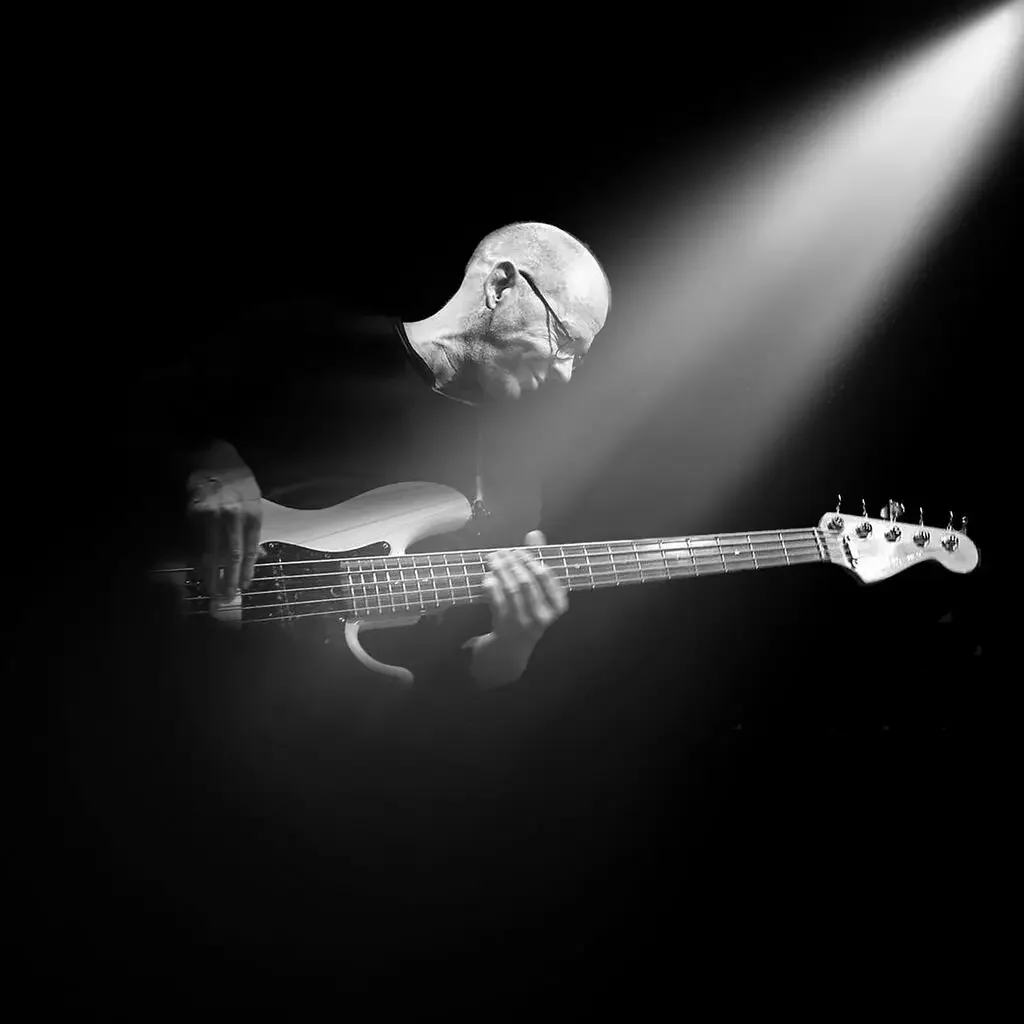
Sleep Token has built a massive following not only for its genre-blending music, but also for the mystery surrounding its masked lineup. Among the most discussed members is Dave Ball, widely reported as III, the band’s bassist. While Sleep Token keeps its identities officially unconfirmed, Ball’s name comes up repeatedly in fan investigations, live-performance credits, gear discussions, and music-scene connections.
Below is a closer look at Dave Ball’s background, his role in Sleep Token, his playing style, his gear choices, and what is known versus what remains unverified.
Dave Ball is most commonly linked to III, the masked bassist in Sleep Token. He is widely reported to be the musician responsible for the band’s low-end foundation, helping shape the heavy groove, atmosphere, and dynamic movement that Sleep Token is known for.
Because Sleep Token does not officially confirm member identities, it is best to treat this connection as widely reported rather than officially proven. Still, the Dave Ball–III association is among the most commonly cited in Sleep Token coverage.
Touring and the UK Metal Scene
Before being linked to Sleep Token, Dave Ball was active in the UK heavy music scene. One of the most frequently mentioned details is that he toured with Architects, a major name in modern metalcore. That connection matters because it places Ball in the same professional circle as many of the musicians and techs associated with the UK’s heavier bands.
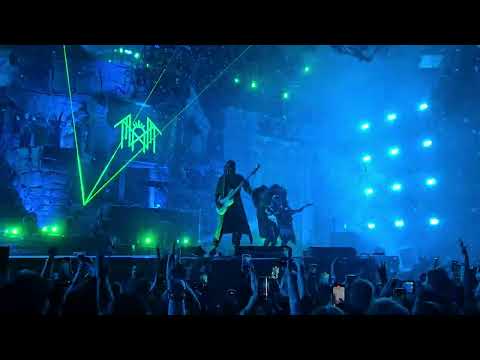
Reports also place him around the broader touring and technical ecosystem of contemporary metal, which helps explain why his playing in Sleep Token is so controlled, polished, and performance-ready.
A Musician Built for Heavy Atmosphere
Sleep Token’s bass parts are not always flashy in the traditional sense. Instead, they often serve the song’s emotional arc, locking in with the drums, reinforcing vocal tension, and adding weight during climactic moments. Ball’s background in heavy touring likely helped shape that precise, professional approach.
Dave Ball’s Playing Style on Sleep Token Tracks
Groove First, Flash Second
Dave Ball’s playing as III is often described by fans as tight, supportive, and deeply groove-oriented. Rather than crowding the mix with constant note density, he tends to focus on what Sleep Token songs need most: pulse, pressure, and movement.
This approach works especially well in a band where the bass must coexist with dense guitars, layered electronics, and dramatic vocal lines. The result is a style that feels measured but powerful.
Serving the Song
On Sleep Token tracks, the bass often:
- Reinforces the downbeat with weight and clarity
- Mirrors guitar patterns for impact
- Adds motion beneath quieter passages
- Helps lift choruses and breakdowns
- Provides a bridge between electronic textures and live instrumentation
Ball’s playing is not usually about showing off. It’s about supporting Sleep Token’s cinematic tension. That restraint is part of what makes the bass lines memorable.
A Modern Metal Bass Approach
His style fits modern metal production well: clean attack, strong low-end definition, and a tone that can cut through layered arrangements without becoming muddy. That balance is essential in Sleep Token, where atmosphere matters as much as heaviness.
Charvel Bass Guitars and Dave Ball
Why Charvel Comes Up
Charvel is a name that appears frequently in discussions of Dave Ball’s gear. He has been associated with Charvel bass guitars, and that connection has only strengthened fan interest in his setup.
Charvel instruments are known for:
- Fast neck feel
- Modern playability
- Solid build quality
- Punchy tones suited to heavy music
Those qualities make sense for Sleep Token, where bass parts must remain articulate even in dense arrangements.
A Practical Heavy-Music Choice
For a bassist working in a band like Sleep Token, a Charvel-style instrument offers the kind of reliability and responsiveness needed onstage. The bass has to sound big, stay consistent under changing dynamics, and handle everything from subdued passages to explosive sections.
Neural DSP Equipment and Tone Shaping
The Digital Side of the Sound
Dave Ball has also been associated with Neural DSP equipment, which is notable because Sleep Token’s recorded sound is highly polished and modern. Neural DSP is widely used by guitarists and bassists who want a flexible, high-quality digital rig for both studio and live use.
Why It Fits Sleep Token
A Neural DSP-based setup can help achieve:
- Tight low-end control
- Consistent tone across venues
- Easy integration with effects and layering
- Studio-grade sound in live settings
For a band like Sleep Token, where sonic atmosphere is as important as raw aggression, that kind of equipment makes a lot of sense.
What Is Known vs. Unconfirme
Frequently Asked Questions
Who is Dave Ball in Sleep Token?
Dave Ball is the name most widely associated with Sleep Token's bassist, who performs as III. The identification is based on fan research including social media connections and touring history. It has not been officially confirmed by the band.
What bass does Sleep Token's III play?
III plays Charvel bass guitars and uses a Neural DSP Quad Cortex for modelling and effects in the live setting. The rig produces a full, modern bass tone that sits well beneath Sleep Token's layered arrangements.
Did Dave Ball tour with Architects?
Fan research suggests Dave Ball has a history with the UK metal touring scene, with some sources connecting him to Architects tours. If III is Dave Ball, this would place him firmly in the British heavy music circuit before Sleep Token.
Last updated: 21 May 2026.
For more about Vessel's identity, see Who Is Leo Faulkner? and Sleep Token Band Members.