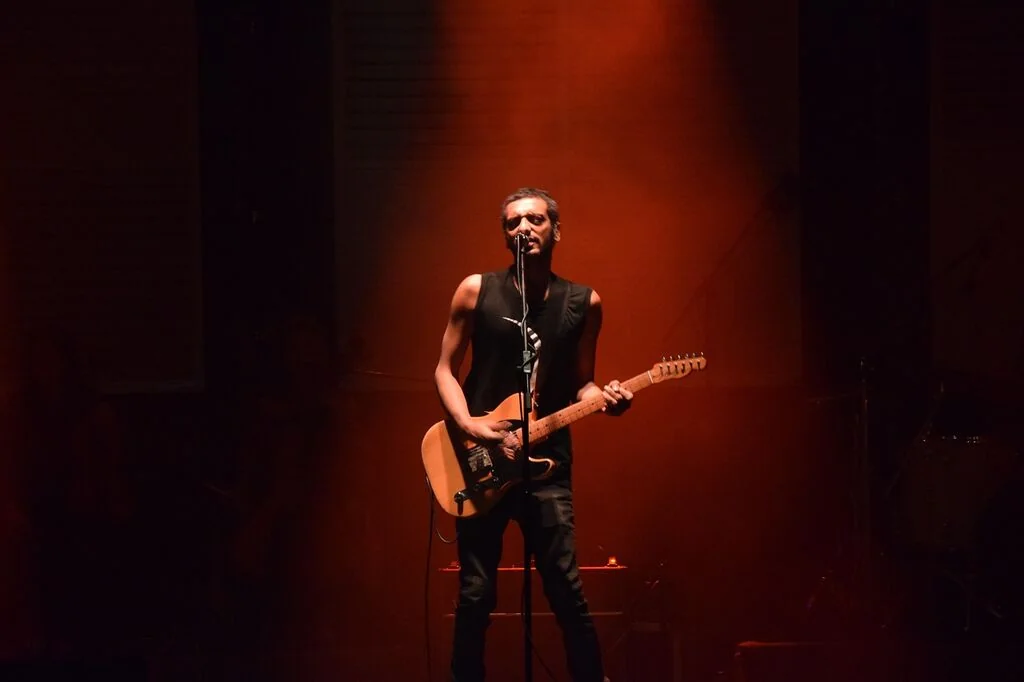
Sleep Token is best described as a genre-blending band that sits somewhere between progressive metal, alternative metal, R&B, nu-metal, and art rock. If you’re trying to pin them down with one label, that’s exactly the problem: Sleep Token deliberately resists easy classification. Their music moves fluidly between crushing heaviness, dreamy atmosphere, pop-style hooks, electronic textures, and emotionally charged vocals.
At their core, Sleep Token is a metal band with an unusually broad palette. But they are not “just” metal. Their songs often shift from devastating djent riffs to soft piano passages, from falsetto-laced ballads to grooves that feel closer to R&B or hip-hop than traditional metal. That is a huge part of their appeal.

Progressive Metal and Alternative Metal
Progressive metal is one of the strongest anchors in Sleep Token’s style. Their songs often feature long structures, dynamic movements, odd pacing, and dramatic builds that feel closer to a journey than a standard verse-chorus formula. Instead of repeating ideas in a straightforward way, they tend to evolve their songs over time.

Alternative metal is the other major foundation. Sleep Token pulls from the emotional intensity and genre openness of alternative metal, mixing heaviness with melody and atmosphere. This gives their music a wide emotional range: eerie, heavy, vulnerable, romantic, and explosive, often within the same track.
Djent and Meshuggah-Style Heaviness
If you hear Sleep Token’s tight, syncopated guitar work and low-end rhythmic punch, you’ll likely notice a connection to Meshuggah. That comparison comes up often because both bands use complex, polyrhythmic riffing and a heavy, mechanical sense of groove.
Sleep Token doesn’t sound like Meshuggah in a direct copycat way, though. Meshuggah is generally more brutal, more technical, and more relentless. Sleep Token takes some of that rhythmic DNA and makes it more accessible, more melodic, and more atmospheric. They use heaviness as one tool in a much larger emotional toolkit.
Why Sleep Token Also Feels Like R&B and Nu-Metal
R&B Influences
One of the most distinctive things about Sleep Token is how naturally they incorporate R&B-style vocals and phrasing. Vessel’s singing often leans into smooth melodies, emotional runs, and intimate delivery that feel deeply informed by contemporary R&B and soul.
This does not mean the band sounds like a typical R&B act. Rather, they use R&B vocal expression to soften the edges of their metal arrangements. That contrast is part of what makes songs like “The Summoning” so striking: a huge, groovy metal section can give way to vocal lines that feel seductive, vulnerable, or almost conversational.
Nu-Metal Energy
Sleep Token also shares some DNA with nu-metal, especially in the way they combine heavy riffs with groove, melodic hooks, and emotional directness. Like the best nu-metal acts, they aren’t afraid of juxtaposition. They understand that aggression and accessibility can coexist.
Their groove-heavy sections, down-tuned guitar tones, and occasional hip-hop-adjacent rhythmic sensibilities all help reinforce that nu-metal connection. But again, Sleep Token doesn’t simply recreate the early-2000s formula. They expand it with more progressive structure, more atmosphere, and more emotional complexity.
The Art Rock Side of Sleep Token
Atmosphere, Concept, and Mood
Sleep Token also has a strong art rock quality. Their work is highly aesthetic, concept-driven, and mood-focused. The band’s anonymous imagery, symbolic storytelling, and immersive presentation all reinforce the feeling that the music is part of a larger artistic world.
Art rock is often about pushing beyond genre boundaries and treating songs like expressions of a larger vision. Sleep Token fits that perfectly. They are just as interested in texture, tension, and atmosphere as they are in riffs or breakdowns. Their softer sections often feel cinematic, and their harder sections feel like emotional climaxes rather than simply heavy moments.
Comparisons to Deftones and Tool
Deftones
Deftones is one of the most useful comparisons for Sleep Token. Both bands blend heaviness with beauty, atmosphere, and sensuality. Both understand how to make metal feel dreamy, emotional, and expansive. Deftones also paved the way for bands that want to mix crushing guitars with ethereal vocals and ambient textures.
Sleep Token shares that same instinct for contrast, though they lean even more heavily into pop and R&B influences.
Tool
Tool is another fair comparison, especially in terms of structure and progressive ambition. Like Tool, Sleep Token builds songs patiently and uses repetitio
Frequently Asked Questions
What genre is Sleep Token?
Sleep Token are most accurately described as progressive metal with strong alternative R&B and art rock influences. Their music blends heavy guitar riffs and blast beats with smooth R&B grooves, jazz-influenced chord progressions, and Vessel's extraordinary vocal range.
Are Sleep Token nu-metal?
Sleep Token share some nu-metal DNA — heavy rhythms, genre blending, masked anonymity — but they go considerably further with R&B and progressive influences. They are sometimes labelled nu-metal but the tag is reductive for a band whose sound is this eclectic.
Who does Sleep Token sound like?
Sleep Token have been compared to Deftones (atmosphere and dynamics), Tool (progressive complexity), Massive Attack (R&B textures), and Meshuggah (polyrhythmic heaviness). They do not sound like any one of these bands — the blend is entirely their own.
Last updated: 21 May 2026.
For more about Vessel's identity, see Who Is Leo Faulkner? and Sleep Token Band Members.