What Made 1970s TV Stars Look So Different? Beauty Tricks Worth Revisiting
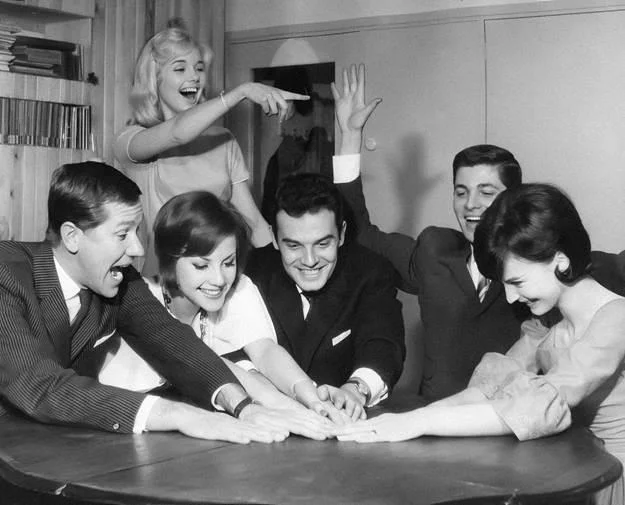
Photo by Nationaal Archief on Unsplash
There is something unmistakable about the appearance of television stars from the 1970s. From dramatic eyelashes and softly feathered hairstyles to glowing complexions and carefully coordinated makeup, the decade introduced beauty looks that remain instantly recognizable today.
Actresses and television personalities such as Farrah Fawcett, Jaclyn Smith, and Lynda Carter helped establish an aesthetic that combined glamour with an increasingly relaxed approach to everyday beauty. Their appearances were influenced by professional makeup artists, studio lighting, fashion trends, and the limitations of television technology.
Although modern beauty products offer greater convenience and precision, many techniques associated with the 1970s remain surprisingly relevant. The decade's emphasis on expressive eyes, healthy-looking skin, and recognizable personal style continues inspiring contemporary makeup trends. Revisiting these approaches reveals several practical ideas that can bring vintage glamour into modern beauty routines.
Dramatic Eyelashes Were Essential to the Look
One of the most recognizable features of 1970s television beauty was the emphasis on expressive eyes. Long eyelashes, carefully applied eyeliner, and soft eyeshadow helped performers create distinctive appearances that remained visible under studio lighting.
False eyelashes were particularly effective for adding definition. Some actresses favored dramatic styles, while others preferred more delicate lashes that enhanced their natural eye shape. The result was a look that could feel glamorous without requiring elaborate makeup across the entire face.
Modern lash technology makes recreating this aesthetic more convenient. Beauty enthusiasts exploring https://tadbeauty.com/ can discover innovative 3D-printed DIY lash systems designed to combine lightweight comfort with flexible, lasting curl. These contemporary options provide opportunities to experiment with vintage-inspired lash styles using modern application techniques.
The secret to achieving a balanced result is selecting lashes that complement the eyes rather than overwhelm them. Soft definition, carefully positioned clusters, and natural-looking separation can capture the elegance associated with classic television glamour.
Beautiful Skin Was the Foundation of Vintage Glamour
Although dramatic makeup defined many television appearances, a smooth-looking complexion provided the foundation for the finished result. Makeup artists relied on careful preparation, foundation, powder, and strategic lighting to achieve the polished appearance viewers recognized on screen.
Today, skincare offers more ways to prepare the complexion before applying makeup. Hydration is particularly important because dry patches can make the foundation appear uneven and emphasize texture.
People who experience dryness can incorporate a well-formulated toner for dry skin into their skincare routines. Paula's Choice Australia offers hydrating toner formulations designed to replenish moisture and leave skin feeling smoother and more comfortable after cleansing.
Applying a suitable moisturizer before makeup can further improve the appearance of dry skin. Allowing products to absorb properly helps create a more even surface for foundation and other complexion products.
The enduring lesson from classic television beauty is that thoughtful skin preparation can be just as important as the makeup applied afterward.
Feathered Hairstyles Created Effortless Movement
Few beauty trends are as closely associated with the 1970s as feathered hair. The style became particularly recognizable through Farrah Fawcett, whose voluminous, face-framing layers influenced countless salon appointments.
What made feathered hairstyles attractive was their combination of structure and movement. Layers directed away from the face created softness, while volume around the crown gave the hair a distinctive silhouette.
Modern styling tools make it easier to achieve similar results. A round brush, hairdryer, and lightweight styling products can help create movement without making hair appear excessively stiff.
The shape works particularly well when adapted to individual hair texture and length. Contemporary versions often feature softer layers and more natural volume than the dramatic styles seen in archival television photographs.
The continued popularity of layered haircuts demonstrates how a recognizable vintage technique can remain fashionable through subtle adjustments.
Soft Eye Makeup Added Depth Without Heavy Contouring
Photo by nicola dowie on Unsplash
The 1970s offered a variety of makeup styles, but softly blended eyeshadow became a recognizable feature of many glamorous television looks. Earthy browns, warm golds, muted greens, and subtle shimmer were popular choices for creating depth around the eyes.
Rather than relying entirely on sharp lines, makeup artists often used gradual color transitions to create a softer appearance. Blending eyeshadow across the eyelid and crease provided definition while maintaining a sense of balance.
Eyeliner could then be used to emphasize the upper lash line. Brown liner offered a softer alternative to black, particularly when combined with neutral eyeshadow.
Recreating this approach today requires relatively few products. A small neutral palette, suitable brushes, and a complementary eyeliner can provide the essential elements.
The technique remains appealing because it works across different occasions, from everyday makeup to more formal evening looks.
Blush and Natural Lip Colors Completed the Appearance
Complexion makeup during the 1970s often emphasized warmth and freshness. Blush helped create a healthy-looking appearance, while lip colors complemented the overall softness of the face.
Peach, coral, rose, and warm pink shades were particularly associated with the era. These colors could add noticeable definition without creating an excessively dramatic contrast.
Blush placement also influenced facial appearance. Applying color across the cheek area and blending it carefully helped create a natural transition between the complexion and surrounding makeup.
Lip products ranged from understated nude shades to glossy pinks and richer evening colors. The selection often depended on hairstyle, clothing, and the overall makeup design.
Modern cream blushes and moisturizing lip products provide convenient ways to reinterpret these vintage techniques. Their blendable textures can create a fresh appearance while maintaining the warmth associated with 1970s glamour.
The Real Secret Was Having a Recognizable Personal Style
Perhaps the most important lesson from 1970s television beauty is the value of individual identity. Many memorable stars developed signature appearances that became closely connected to their public personas.
Farrah Fawcett's feathered hair, Lynda Carter's glamorous makeup, and the polished styling seen throughout popular television dramas illustrate how consistent beauty choices helped create recognizable images.
These looks were not necessarily identical. Different actresses emphasized particular features, hairstyles, and fashion influences according to their personalities and professional roles.
That individuality remains relevant today. Rather than adopting every new beauty trend, people can develop routines that highlight the features they personally enjoy.
Vintage inspiration works best when adapted rather than copied exactly. A modern lash style, softly blended eyeshadow, flattering haircut, or carefully selected lip color can introduce elements of 1970s glamour without making the overall appearance feel like a costume.
Ultimately, the beauty of 1970s television stars came from a combination of professional styling, recognizable trends, and strong personal identities. Their enduring influence demonstrates that memorable beauty is not simply about using more products or following complicated routines.
By revisiting the decade's practical techniques and adapting them to modern preferences, anyone can capture some of that timeless television glamour while developing a style that feels entirely their own.